Our country pages


Europe
 Austria | Österreich
 Belgium | BelgiqueBelgium | België
 Bulgaria | България
 Croatia | Hrvatska
 Czechia | Česko
 Denmark | Danmark
 Estonia | Eesti
 Finland | Suomi
 France
 Germany | Deutschland
 Hungary | Magyarország
 Ireland | Éire
 Italy | Italia
 Latvia | Latvija
 Lithuania | Lietuva
 Netherlands | Nederland
 Norway | Norge
 Poland | Polska
 Portugal
 Romania | România
 Slovakia | Slovensko
 Slovenia | Slovenija
 Spain | España
 Sweden | Sverige
 Switzerland | SchweizSwitzerland | Suisse
 Turkey | Türkiye
 United Kingdom
Search
Order a sample
You can order up to 3 free sample tiles.
We'll aim to deliver your sample order within 5-7 working days from your order date.
Flat Roof Membrane Specification: A 2026 Guide
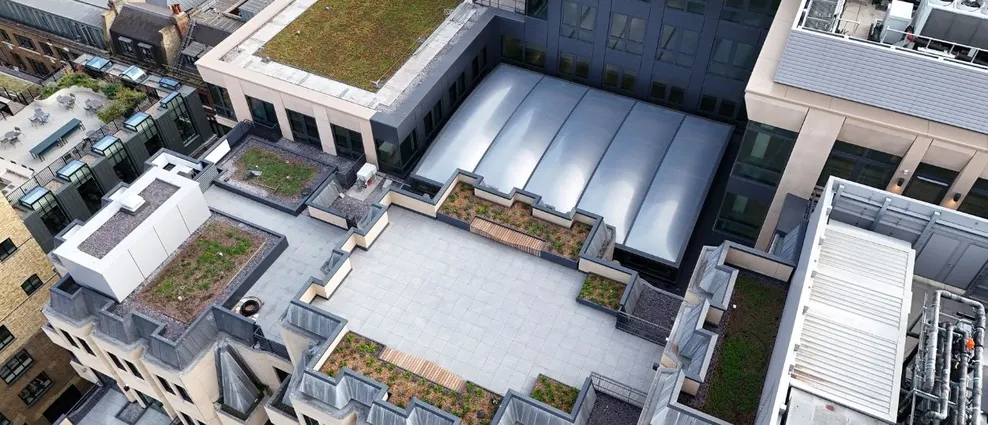
Specifying flat roof systems has become more complex for UK architects. As we navigate the strict regulatory landscape shaped by the Building Safety Act and the strict thermal targets of the Future Buildings Standard, the complexities of flat roofs have been highlighted. It is an intricate, multi-layered system directly impacting structural loading, fire compliance, and building safety regulations.
Jump to section
Navigating UK Building Regulations for Flat Roofs
Below, we’ve outlined three key regulations that affect the flat roof specification process:
1. Fire Safety (Approved Document B & Section 2)
For flat roofs, the entire build-up, including the deck, vapour control layer (VCL), insulation, and top membrane, must achieve the appropriate classification (typically Broof(t4) to comply with external fire mandates. Relying on individual material ratings can pose risks, so it is recommended to specify a system that has been tested as a complete assembly.
2. Conservation of Fuel and Power (Approved Document L)
U-value targets continue to drive thicker insulation layers, limiting the available structural depth in flat-roof zones. Whether you are detailing a warm, inverted, or cold roof, the waterproofing specification must account for insulation compatibility, compression resistance, and the structural implications of deeper upstands.
3. Drainage and Standing Water (BS 6229)
The British Standard for flat roofs (BS 6229) specifies that all flat roofs must be designed with a fall of 1:40 to guarantee a minimum finished fall of 1:80 after allowing for construction tolerances, structural deflection, and settlement. If your design creates unavoidable zero-fall areas, your material choices are limited to systems explicitly BBA-certified for zero-fall applications.
Comparing Flat Roof Waterproofing Membranes
Commonly referred to as built-up felt roofing, modern RBMs are high-performance elastomeric bituminous sheets usually specified in multi-layer configurations.
- Best Architectural Use: Suitable for both new and refurbishment projects like schools or hospitals.
- The Pros: Multi-layer waterproofing, puncture resistance, and reduced blistering.
- The Cons: High structural dead load compared to single-ply.
- NBS Spec Watchpoint: Insurance mandates and principal contractors heavily restrict open-flame installations. Where appropriate, your specification should include self-adhesive or cold-applied base layers and vapour layers to comply with NFRC Safe2Torch guidelines, reserving torch application strictly for clear, non-combustible open zones.
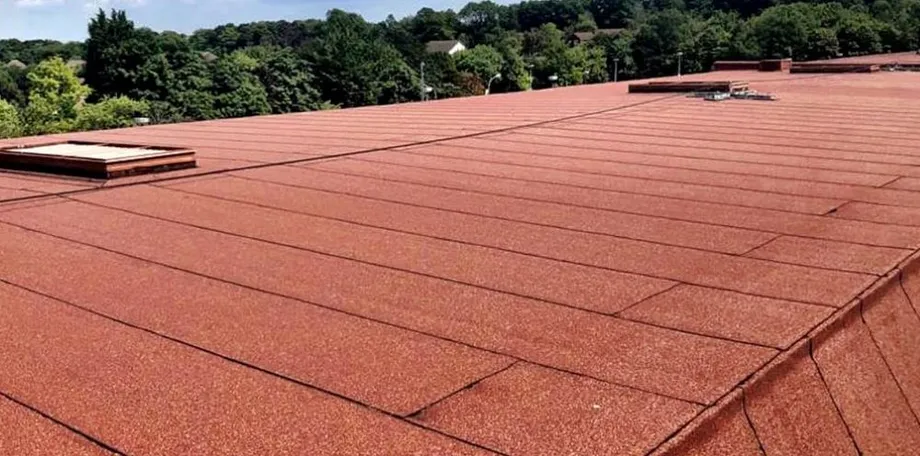
Single-ply systems rely on lightweight, flexible synthetic polymer sheets that are mechanically fixed, fully adhered, or loose-laid and ballasted.
- Best Architectural Use: Large-scale commercial or projects with tighter completion deadlines.
- The Pros: Lightweight, cost-effective, and can be faster to install over large areas.
- The Cons: Benign, one-layer thick, this membrane can be vulnerable to tears, resulting in leakages.
- NBS Spec Watchpoint: Specify a heavy-duty fleece-backed variant if the membrane is to be fully adhered to insulation boards.
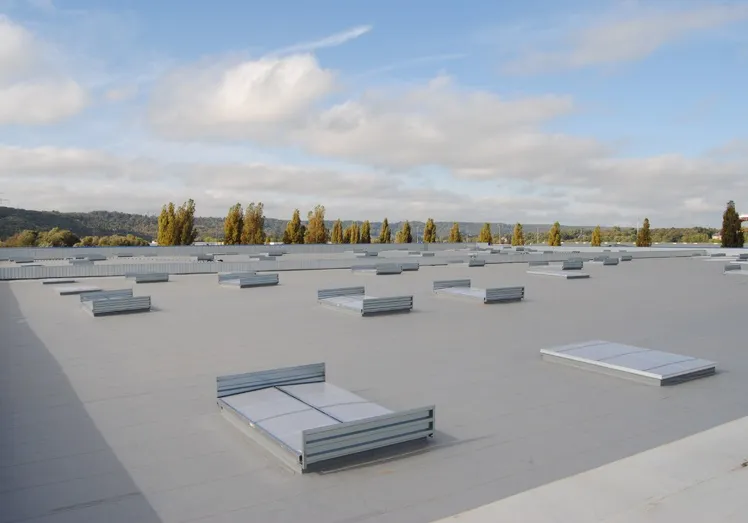
These systems utilise cold-applied polyurethane or PMMA resins that cure on-site to form a completely monolithic, elastomeric skin.
- Best Architectural Use: Complex roof geometries and trickier refurbishment projects.
- The Pros: Zero-flame on site, and highly adaptable around complex structural upstands and pipe penetrations.
- The Cons: Installation is highly weather-dependent. Rain, moisture, or low temperatures will halt curing.
- NBS Spec Watchpoint: Specify the exact wet-film thickness required and ensure the embedded reinforcement mesh is used where appropriate to provide structural stability.
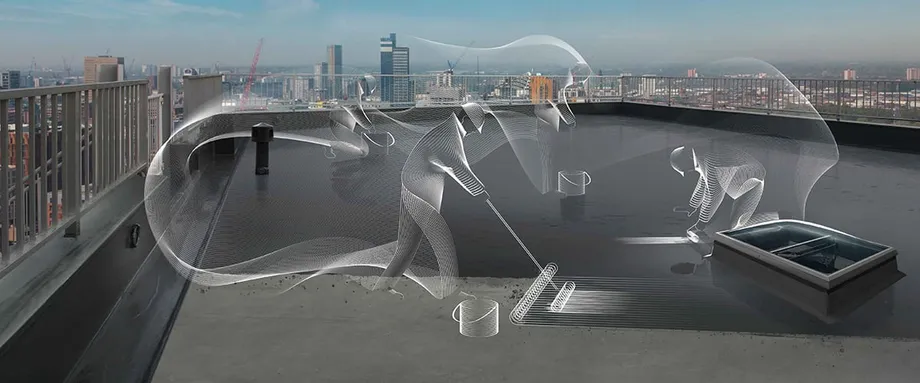
A tough, self-healing formulation of rubberised bitumen that is melted on-site and poured directly onto a structural concrete slab.
- Best Architectural Use: Inverted roofs, blue/green roofs, and high-density residential developments.
- The Pros: Designed to last the lifetime of the building structure, applied directly to the structural deck, water should not migrate underneath the membrane.
- The Cons: Can have higher initial costs of the product itself, as well as additional set-up costs.
- NBS Spec Watchpoint: Hot-melt itself is considered lightweight, but as it is usually applied directly to the structural deck, you will need to ensure structural engineers have confirmed the building can hold the whole system.
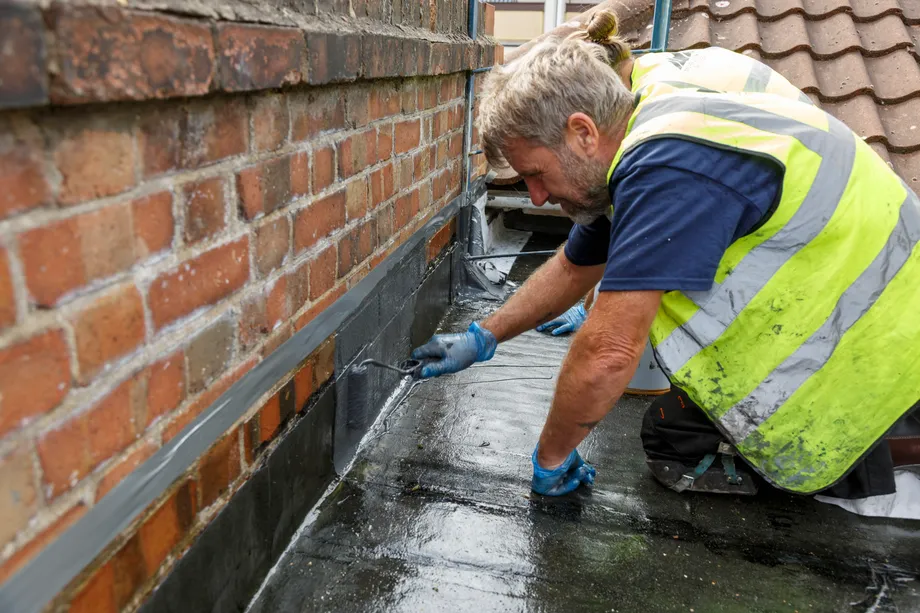
Material Selection Matrix
Membrane Type | Design Fall Requirement | Primary Fixing Method | Typical Lifespan | Best Project Fit |
|---|---|---|---|---|
Bituminous (RBM) | 1:80 finished fall | Self-adhesive base / Torch cap | 10-30 years depending on cap sheet | Education & healthcare refurbishment |
Single-Ply | 1:80 finished fall | Mechanically fixed/adhered | 10-20 years depending on membrane | Large-scale commercial projects |
Liquid-Applied | 1:80 finished fall | Cold liquid rolled/sprayed | 10-25 years depending on liquid | Complex layouts, retrofits |
Hot-Melt | Zero-falls certified | Monolithic hot-poured bond | 30 - 35 years, depending on system | Podium decks, intensive green roofs |
Specification Best Practices for Architectural Practices
To protect your design intent and deliver a trouble-free asset to your client, integrate these three protocols into your stage 4 detailed design package:
Single-Source System Compatibility:
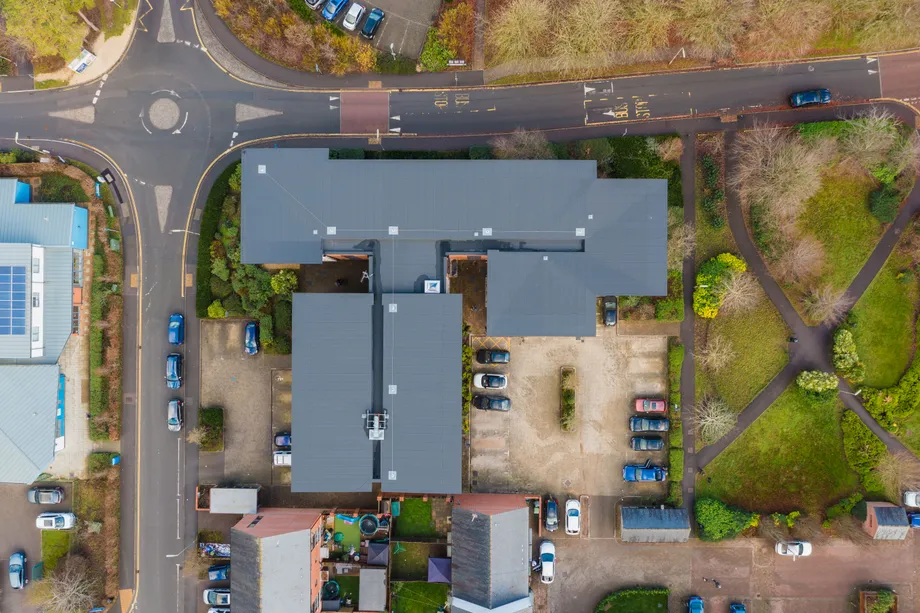
Where possible, specify a complete, certified system from a single manufacturer. This helps to ensure tested thermal, fire, and chemical compatibility and provides the client with a unified, single-point guarantee if a failure occurs.
Detail the 150mm Upstand Reality Early:
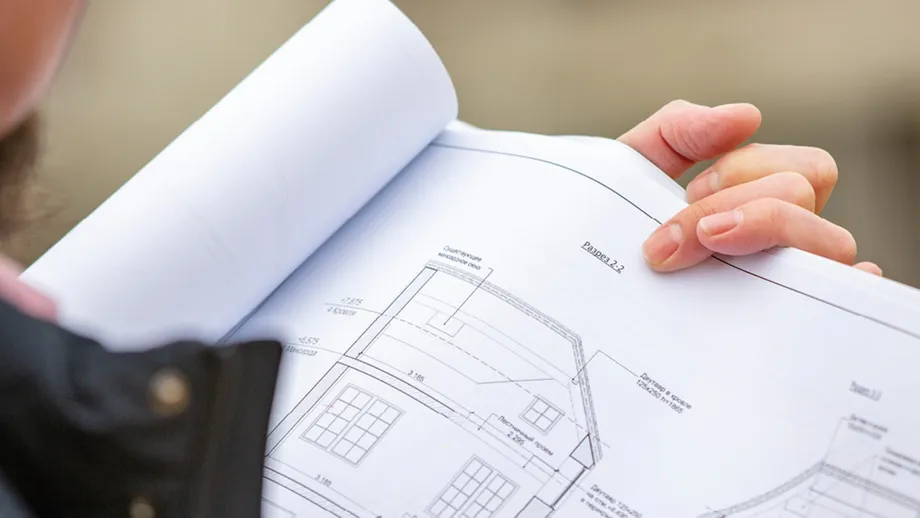
BS 6229 mandates that all waterproofing must terminate at least 150mm above the finished roof level (the top of the ballast, paving, or green roof substrate, not the structural slab). Section 4.5 of BS 6229:2025 states that the waterproofing layer at abutments should turn up no less than *150mm above the finished waterproofing system or surface finish.
Account for Blue and Green Roof Substrates:
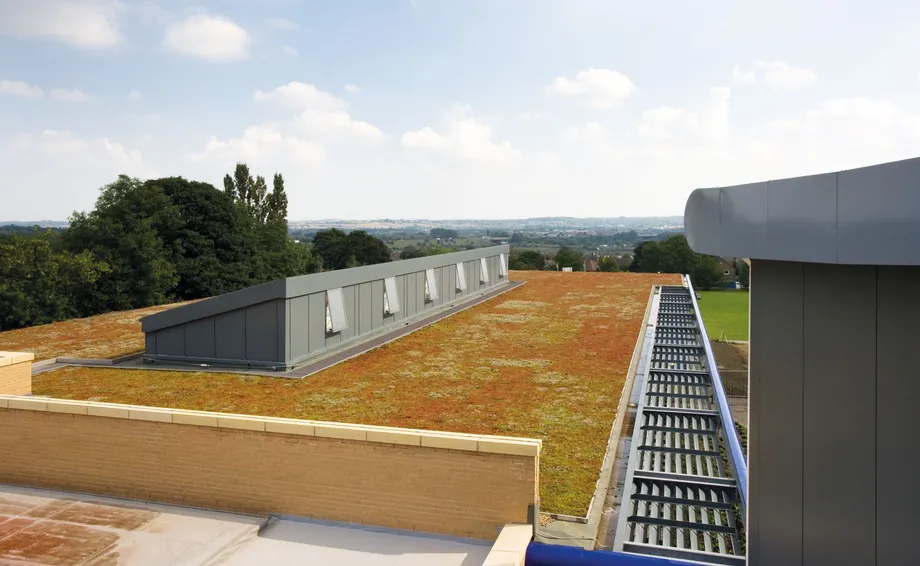
Consider the needs of the roof and how this can affect the material. If designing a blue roof (attenuating stormwater) or a green roof, single-ply may not be appropriate without intense protective layers.
FAQ's
How does the Building Safety Act impact flat roof specifications for higher-risk buildings (HRBs)?
Under the current building safety regime, any specification change made on site to an HRB's roof assembly (such as swapping a specified membrane or insulation brand due to lead times) is highly likely to be classified as a notifiable or major change. This requires submission to the Building Safety Regulator (BSR) and can halt works on-site. Architects must ensure early-stage 4 specifications are absolute, fully tested for system compatibility, and that the "Golden Thread" of certification data is locked down before construction.
When upgrading an existing flat roof, does Approved Document L mandate a full insulation upgrade?
Yes, under current thermal regulations for existing buildings, if you are refurbishing or replacing more than 50% of a flat roof’s surface area, it is classified as a "renovation of a thermal element." You are legally required to upgrade the entire roof build-up to meet the current target U-value, unless you can prove via a structural assessment that the extra insulation weight or height creates a technical roadblock or an unfavourable payback period exceeding 15 years.
Can a Broof(t4) fire rating be achieved if we mix and match insulation and membrane manufacturers?
Rarely. A flat roofing system achieving a Broof(t4) classification in accordance with EN 13501-5 indicates that the proposed system is unrestricted in its proximity to adjacent boundaries. Any substitutions to the tested layers will render the classification void.
How can you tell whether a flat roof needs repair or full replacement?
A flat roof may still be repairable if the problem is isolated, such as a small area of blistering or a limited leak point. In those cases, the key question is whether the rest of the roof is structurally sound and whether the waterproofing membrane is still well-bonded. A full replacement is more likely to be needed when damage is widespread, the membrane is extensively aged or brittle, or signs such as recurring ponding, widespread alligatoring, or repeated failures suggest the roof system has reached the end of its serviceable life. A proper assessment should consider the extent of visible damage, the condition of the substrate, and whether the roof has a recurring history of leaks. Tests like Icopal’s moisture mapping service can identify water penetration in the roof without invasive technologies.
What is the best way to locate the source of a flat roof leak?
The most reliable approach is to trace the leak systematically rather than assuming the visible drip point matches the defect in the roof. Our Moisture Mapping Service and thermal imaging enable us to highlight specific areas of the roof that are subject to moisture ingress. This means we can provide a precise recommendation that identifies the priority areas of the roof for refurbishment and creates a bespoke specification of work that considers the whole roof area.